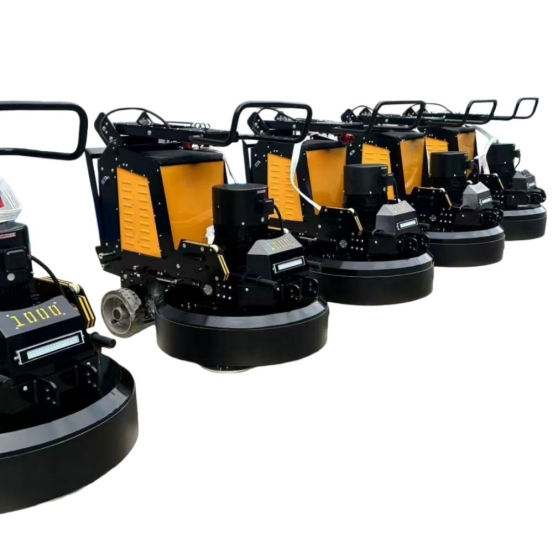
Prioritize matching the project and machine model, then focus on key indicators such as power, grinding discs, weight, and dust collection, balancing efficiency, quality, and long-term cost.
I. Determine the Scenario and Machine Model
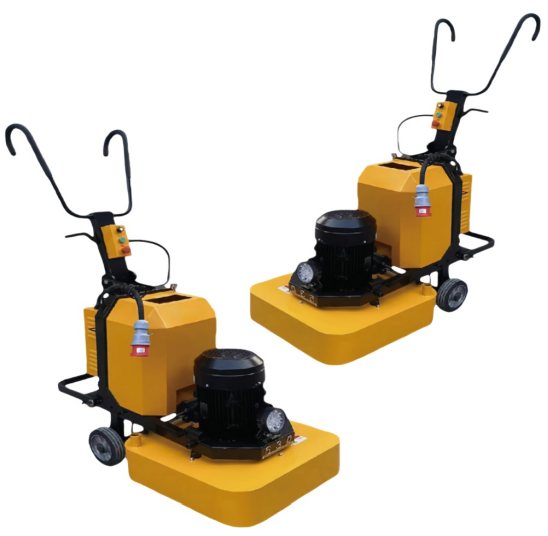
• Small/Corner: Choose a push-type (300-400mm diameter) or handheld machine. Narrow body, flexible steering, suitable for residential areas, shops, stairwells, and around columns.
• Medium/Regular: Push-type planetary (400-500mm), even grinding, less prone to leaving marks, suitable for 500-5000㎡ factories, garages, and shopping malls.
• Large/High-Efficiency: Ride-on or remote-controlled (600mm+), wide coverage, long continuous operation, suitable for industrial floors and logistics warehouses over 5000㎡.
II. How to Select Core Parameters
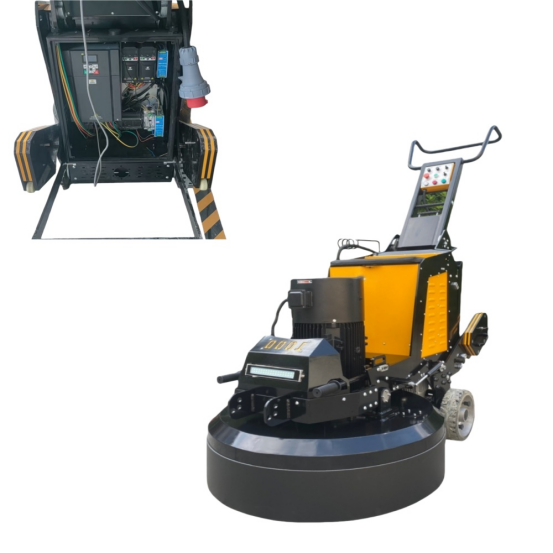
• Power: Small 3-5kW; Medium 5-11kW; Large 15kW+, with inverter for greater stability and energy efficiency.
• Grinding Disc Type: Planetary disc (flat and scratch-free, preferred); Single/Double disc (high efficiency, suitable for coarse grinding); 3-4 grinding heads for more even distribution.
• Weight: 80-150kg for coarse grinding and leveling (sufficient pressure); 50-80kg for fine grinding and polishing (easy to control).
• Speed: 150-300rpm for coarse grinding; 300-800rpm for fine grinding; variable frequency adjustment better suits multiple processes.
III. Cost and After-Sales Service
• Budget: Small: 10,000-30,000 RMB; Medium: 30,000-80,000 RMB; Large: 100,000+ RMB. Don’t just look at the purchase price; calculate the long-term costs of consumables, maintenance, and energy consumption.
• After-Sales Service: Choose brands with comprehensive service outlets and easy-to-replace parts; prioritize products with 8-hour response time and 1-2 year warranty.