
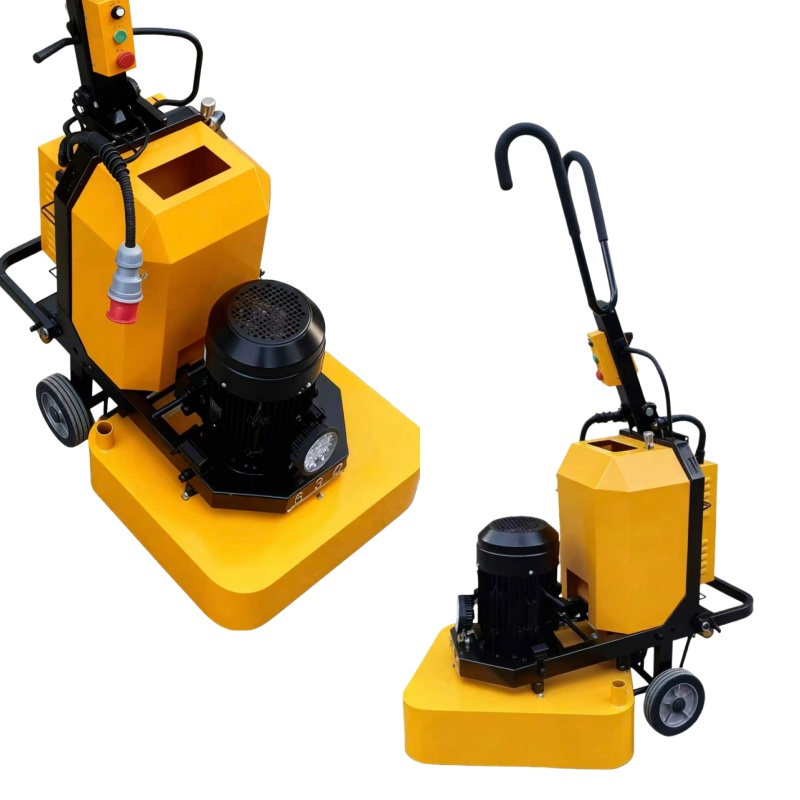
In concrete flooring, epoxy flooring, stone restoration and other surface treatment projects, the floor grinder is the core equipment—and the motor is its “heart,” determining performance, efficiency and service life. In recent years, as construction demands grow more precise, intelligent and energy-conscious, floor grinder motors have undergone a major technological upgrade, shifting from traditional power systems to high-efficiency, energy-saving, stable and intelligent solutions that are reshaping industry standards.
In the past, most conventional floor grinders used ordinary asynchronous motors, which suffered from high energy consumption, insufficient low-speed torque, overheating during long work hours and frequent maintenance. For large-scale projects such as factory floors, underground parking garages and commercial flooring, traditional motors struggled to balance power output and stable operation, slowing down construction and increasing electricity and maintenance costs.
Today, permanent magnet synchronous motors, brushless motors and direct-drive variable-frequency motors have become mainstream for floor grinders, bringing three key improvements:
- Higher Energy Efficiency, Lower Operating Costs
New-generation motors improve energy efficiency by 20%–30% compared with traditional models. They consume significantly less power for the same working area and maintain lower temperatures even after 8 consecutive hours of operation, avoiding power loss from overheating and supporting heavy-duty, long-hour construction. - Strong Low-Speed High Torque for Heavy Grinding
For tough conditions such as hardened concrete and old coating removal, the new motors deliver stable high torque at low speeds. They start smoothly, provide strong grinding force, reduce jumping and uneven wear, and improve overall flatness and polishing consistency. - Simplified Structure, Longer Lifespan, Less Maintenance
Direct-drive technology removes some transmission parts, reducing mechanical wear and failure points. The brushless design eliminates carbon brushes, greatly extending motor life and reducing downtime, so equipment can operate more reliably.
In addition, advanced features including intelligent variable-frequency control, load adaptation, overheating protection and stable low-voltage operation are deeply integrated into the motor system. The grinder can automatically adjust speed and power based on surface hardness, making it easy for even inexperienced operators. High-protection designs allow the motor to perform reliably in dusty, humid job-site environments.
From hand-held light grinders to ride-on heavy-duty machines, from interior finishing to industrial flooring, motor technology has made floor grinders more powerful, energy-efficient, stable and low-maintenance. For contractors, choosing a floor grinder with a new-generation motor means higher efficiency, lower costs and stronger competitiveness.
In the future, with the integration of lightweight materials, digital twin and IoT monitoring technology, floor grinder motors will continue to evolve toward greater compactness, smarter control and greater environmental friendliness, delivering more efficient, eco-friendly and intelligent solutions for the flooring industry.