
When it comes to high-quality concrete flooring projects, having the right equipment isn’t just a convenience—it’s a game-changer. For contractors, flooring specialists, and business owners in the construction and industry, a reliable concrete grinder is the backbone of achieving smooth, durable, and visually stunning results. Whether you’re preparing a surface for staining, polishing, or sealing, the wrong grinder can lead to uneven finishes, wasted time, and inflated costs.
In this comprehensive guide, we’ll break down everything you need to know to select the perfect concrete grinder for your business. From key features and power considerations to size options and industry-specific use cases, we’ve got you covered. Let’s dive in.
- Understanding the Core Types of Concrete Grinders
Not all concrete grinders are created equal. The right choice depends on your project’s scale, the surface’s condition, and your operational needs. Here are the three main categories:
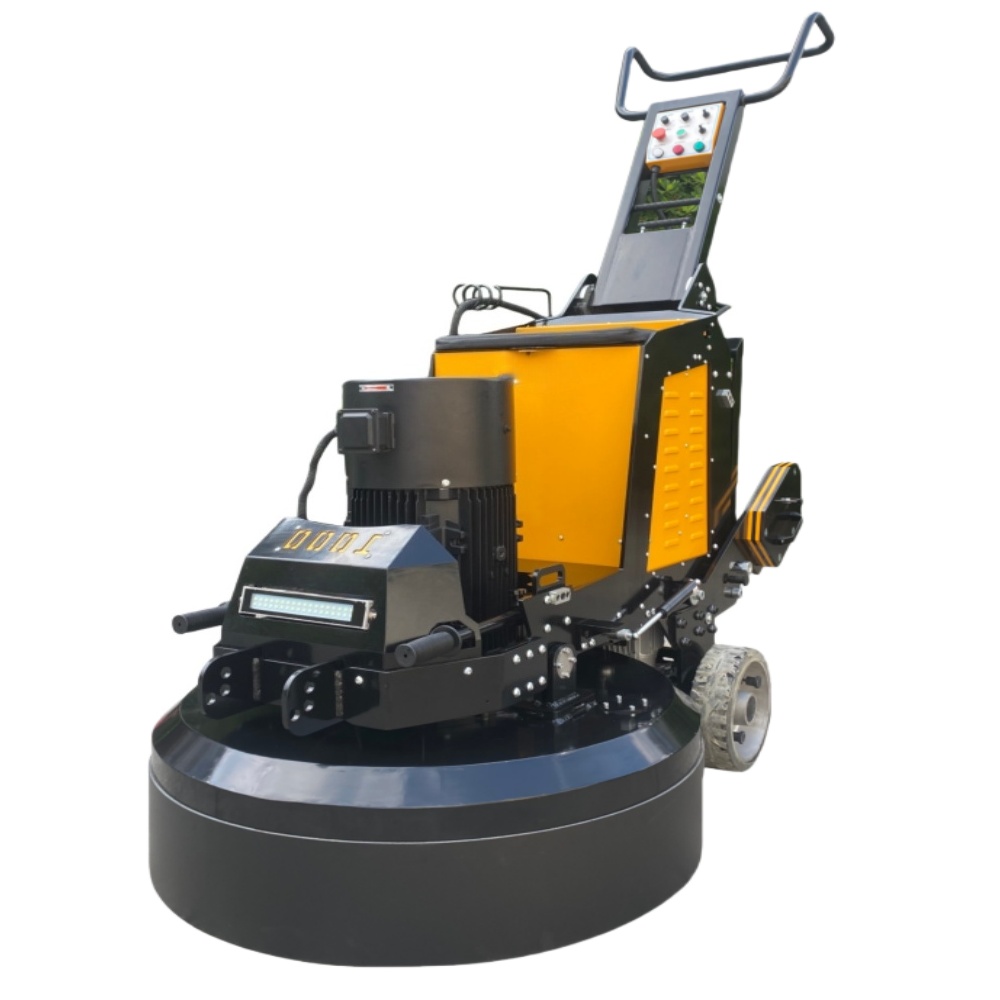
1.1 Walk-Behind Concrete Grinders
Ideal for medium to large-scale projects, walk-behind grinders offer balance between maneuverability and efficiency. They’re perfect for:
- Commercial flooring (malls, offices, retail spaces)
- Industrial warehouse floors
- Post-construction surface preparation
Key benefits:
- Adjustable working width for versatile coverage
- Ergonomic handles for reduced operator fatigue
- Compatibility with multiple diamond tooling for different concrete densities
1.2 Ride-On Concrete Grinders
For high-volume, large-area jobs, ride-on concrete grinders are the ultimate workhorses. Designed for efficiency, they allow operators to cover more ground quickly, making them suitable for:
- Factories and manufacturing plants
- Airport runways and hangars
- Shopping centers and exhibition halls
Advantages include:
- High-powered motors for fast material removal
- Comfortable seating and intuitive controls
- Enhanced stability for extended use
1.3 Handheld Concrete Grinders
Compact and highly maneuverable, handheld grinders are perfect for small-scale projects, edge work, and hard-to-reach areas. They’re ideal for:
- Residential renovations
- Edge and corner finishing
- Small commercial touch-ups
Their portability and ease of use make them a must-have tool for contractors who need to tackle diverse jobs.
- Critical Features to Look for in a Concrete Grinder
When investing in a concrete grinder, prioritize these features to ensure long-term performance and value:
2.1 Power and Motor Type
A robust motor is essential for handling dense concrete and tough surfaces. Look for:
- High horsepower (HP) motors for consistent power
- Direct-drive or gear-driven systems for durability
- Variable speed control to adapt to different concrete hardnesses
2.2 Working Width and Coverage
The working width directly impacts efficiency. For larger projects, opt for a grinder with a width of 20 inches or more to minimize passes and save time.
2.3 Dust Collection System
Dust control is non-negotiable for compliance with safety regulations and for maintaining air quality on job sites. Choose a grinder with:
- Efficient dust hoods and ports
- Compatibility with industrial vacuum systems
- Sealed motor compartments to prevent dust damage
2.4 Compatibility with Diamond Tooling
Diamond segments, cups, and polishing pads determine the finish quality. Ensure your grinder supports a range of tooling options to adapt to different projects (from coarse grinding to fine polishing).
- Matching Your Grinder to Your Project Requirements
Selecting the right grinder starts with understanding your project’s unique needs:
Project Scale Recommended Grinder Type Key Benefits
Small-Scale (Residential/Touch-Ups) Handheld Concrete Grinder Portability, precision, and ease of use
Medium-Scale (Commercial) Walk-Behind Concrete Grinder Balanced efficiency and maneuverability
Large-Scale (Industrial/Infrastructure) Ride-On Concrete Grinder Maximum coverage and productivity
- Why Investing in a High-Quality Concrete Grinder Matters
For professional contractors, the quality of your equipment directly impacts your reputation and profitability. A durable, high-performance concrete grinder:
- Reduces downtime and maintenance costs
- Delivers consistent, high-quality finishes to satisfy clients
- Increases job site efficiency, allowing you to take on more projects
- Enhances safety with advanced features like dust control and ergonomic design
- Final Tips for Long-Term Use and Maintenance
To maximize your grinder’s lifespan:
- Perform regular inspections of motors, belts, and dust collection systems
- Clean and maintain tooling to ensure optimal performance
- Store the grinder in a dry, secure environment when not in use
- Train your operators properly to avoid misuse
Conclusion
Choosing the right concrete grinder is a critical decision that can elevate the quality of your work and streamline your operations. By understanding the different types of grinders, key features, and project-specific requirements, you can make an informed choice that aligns with your business goals.
At Peng feng, we specialize in providing top-tier concrete grinding solutions tailored to the needs of professional contractors. Whether you’re a seasoned flooring expert or just starting out, our range of walk-behind, ride-on, and handheld grinders is designed to deliver reliability, efficiency, and exceptional results.
Ready to upgrade your equipment? Contact our team today to learn more about our concrete grinder models and find the perfect fit for your business.