
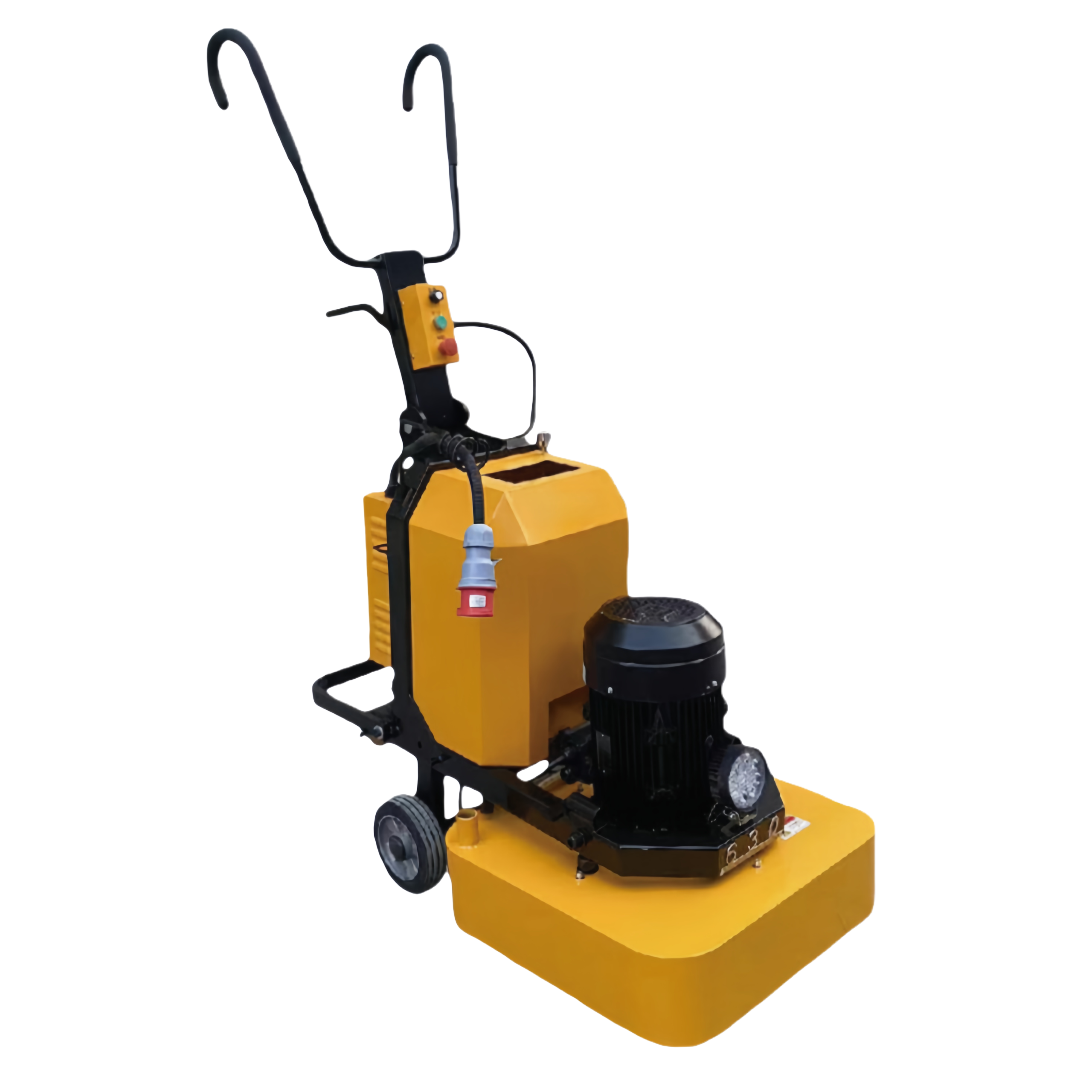
In the world of construction, renovation, and surface preparation, one machine stands out as the unsung hero of flawless flooring: the floor grinder. Whether you’re prepping a concrete slab for a new epoxy coating, restoring a worn-out warehouse floor, or polishing a showroom to a mirror finish, a high-quality floor grinder is the cornerstone of professional results.
This comprehensive guide will walk you through everything you need to know about floor grinders—from how they work and their key benefits to choosing the right model for your project.
What is a Floor Grinder?
A floor grinder is a heavy-duty, motorized machine designed to smooth, level, strip, or polish hard surfaces, primarily concrete, but also stone, terrazzo, and more. Unlike manual tools, modern floor grinders utilize rotating discs embedded with industrial-grade diamonds to aggressively remove material or refine surfaces with surgical precision.
They come in various configurations, including walk-behind, ride-on, and handheld models, each engineered for specific job sizes and applications.
Why Invest in a Professional Floor Grinder?
The difference between a DIY rental and a professional-grade machine is night and day. Here’s why serious contractors and businesses rely on dedicated floor grinders:
- Unmatched Efficiency & Cost Savings
Time is money on the job site. A powerful floor grinder can cover hundreds of square meters per hour, drastically reducing labor hours compared to manual scraping or sanding. This efficiency directly translates to lower operational costs and faster project turnaround times.
- Superior Surface Preparation
A proper grind is the foundation of any long-lasting floor treatment (epoxy, polyurethane, polished concrete). A grinder ensures the surface is perfectly clean, porous, and level, eliminating weak spots and ensuring maximum adhesion for coatings. Skipping this step often leads to costly failures down the line.
- Versatility for Every Task
Modern floor grinders are multi-functional. By simply changing the tooling (from aggressive PCD segments for coating removal to fine resin pads for polishing), the same machine can handle:
- Coating Removal: Stripping old paint, epoxy, or mastics.
- Surface Leveling: Fixing high spots and uneven slabs.
- Concrete Polishing: Creating a beautiful, low-maintenance polished finish.
- Light Grinding: Prepping for overlays or sealers.
- Dust Control & Safety
Top-tier grinders are equipped with integrated vacuum ports or dust collection systems. This not only keeps the work area clean and visible but also protects workers from harmful silica dust, a critical health and safety consideration on any site.
Key Features to Look For
Not all grinders are created equal. When evaluating your options, keep an eye out for these performance-enhancing features:
- Planetary Gear System: Delivers a more uniform scratch pattern and a smoother finish compared to single-disc rotary models.
- Variable Speed Control: Allows you to adjust the RPM for different materials and stages (coarse vs. fine).
- Heavy-Duty Construction: A robust frame and quality components ensure stability and longevity, even under heavy use.
- Ergonomic Design: Easy-to-use controls and balanced weight reduce operator fatigue during long shifts.
Conclusion: The Foundation of a Perfect Floor
A floor grinder is not just a tool; it’s an investment in quality, efficiency, and professionalism. Whether you’re a seasoned contractor or a facility manager looking to upgrade your maintenance capabilities, choosing the right floor grinder will elevate the quality of your work and streamline your operations.
Ready to transform your flooring projects? Explore our range of high-performance floor grinders and accessories designed for the toughest jobs.