
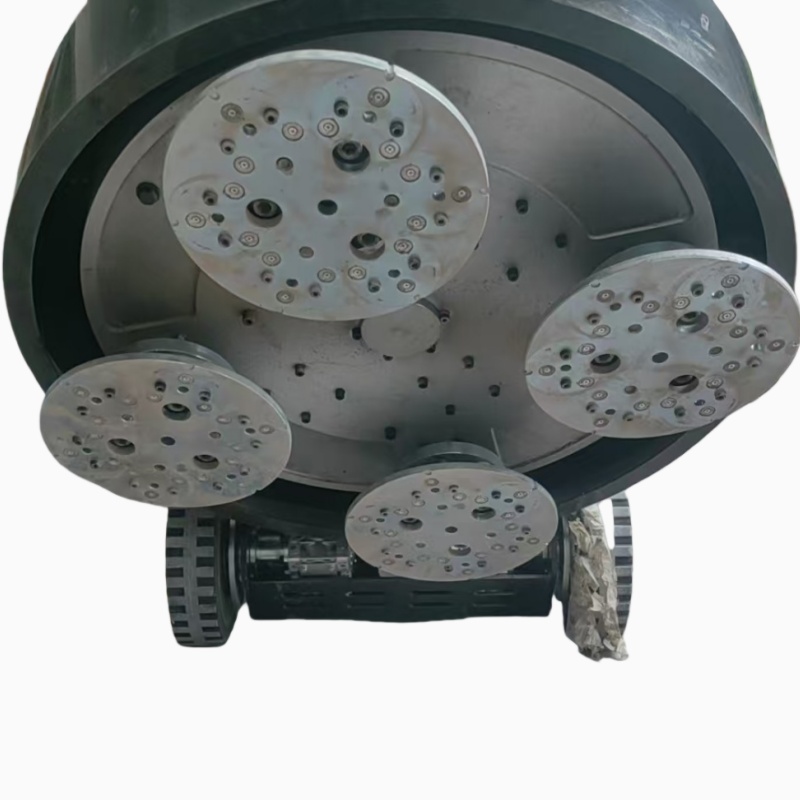
As a core tool in laboratory sample preparation and industrial processing, a grinder’s performance directly impacts product purity, particle uniformity, and equipment lifespan. Mastering scientific selection, standard operating procedures, parameter optimization, and maintenance is key to achieving precise, efficient grinding. This guide condenses practical experience for users across scenarios.
- Precision Selection: Match Material Traits & Grinding Goals
Choose equipment based on material hardness, required precision, and thermal sensitivity:
- Laboratory use: Planetary ball mills excel at nano-grinding hard materials (e.g., ceramics, metal oxides) with <0.5% RSD for triplicate samples; vertical grinders suit quick coarse grinding but risk clumping with wet/sticky materials.
- Industrial use: High-precision double-sided grinders meet submicron flatness needs (e.g., semiconductor wafers); high-speed nano-grinders handle thermosensitive biopharmaceuticals.
- Jar & media choice: Zirconia/tungsten carbide for hard materials, agate for heavy metal testing (chemical inertness), PTFE for corrosive substances. Use “mixed ball sizes” (large for crushing, small for refining) to boost efficiency.
- Standard Operating Procedures
- Pre-use check: Ensure stable placement (level error ≤0.5mm), intact seals, and secure components. Wear safety goggles/gloves; operate dust/odor-emitting materials in fume hoods.
- Sample preparation: Crush hard brittle materials to <1mm, dry high-humidity samples at 60℃ for 30 mins, pre-cool thermosensitive materials. Load 50-70% of jar volume; adjust ball-to-material ratio (3:1-5:1 for regular use, 20:1-50:1 for ultra-fine grinding).
- Parameter setting: Use 400-1200rpm for hard materials, 200-600rpm for the rmosensitive/flexible ones. Adopt “5-min grinding + 1-min pause” to avoid overheating. For wet grinding, control solid content <20% with dispersants; manage humidity for dry grinding.
- Post-use cleaning: Wait for full stop before opening. Clean jars with ethanol/special detergents, brush crevices, and dry to prevent cross-contamination.
- Parameter Optimization & Troubleshooting
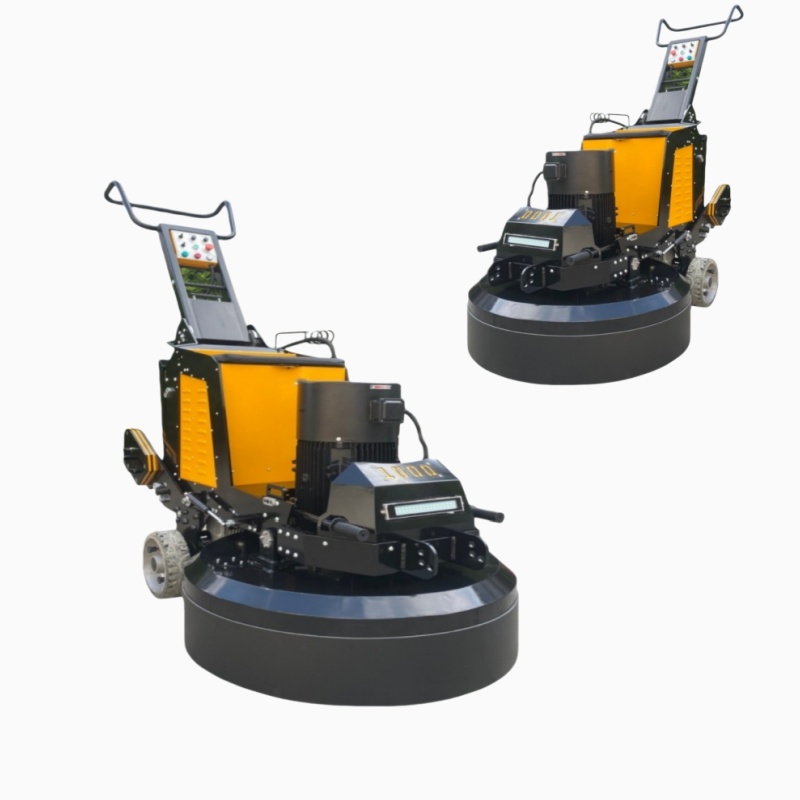
- Avoid the “longer time = finer particles” myth—over-grinding causes agglomeration. Prioritize power/ball ratio, then adjust speed/feeding rate, and match cooling methods.
- Troubleshooting: Reduced efficiency (check杵头 wear or overfeeding; adjust gap ≤2mm); abnormal vibration (re-calibrate level or replace bearings); motor overheating (clean vents and inspect circuits).
- Daily Maintenance
- Daily: Clean dust and tighten bolts.
- Monthly: Lubricate moving parts, replace aged seals, and calibrate speed/weighing accuracy.
- Annually: Inspect worn components, replace parts, and test motor/inverter performance.
- Special care: Balance weights for planetary ball mills; clean residual materials in electric grinders to prevent oxidation.
By following these guidelines, users can avoid common mistakes, enhance grinding precision, and extend equipment life—turning grinders into reliable allies for research and production efficiency.