Components: Schneider Switch & Permanent Magnet Motor
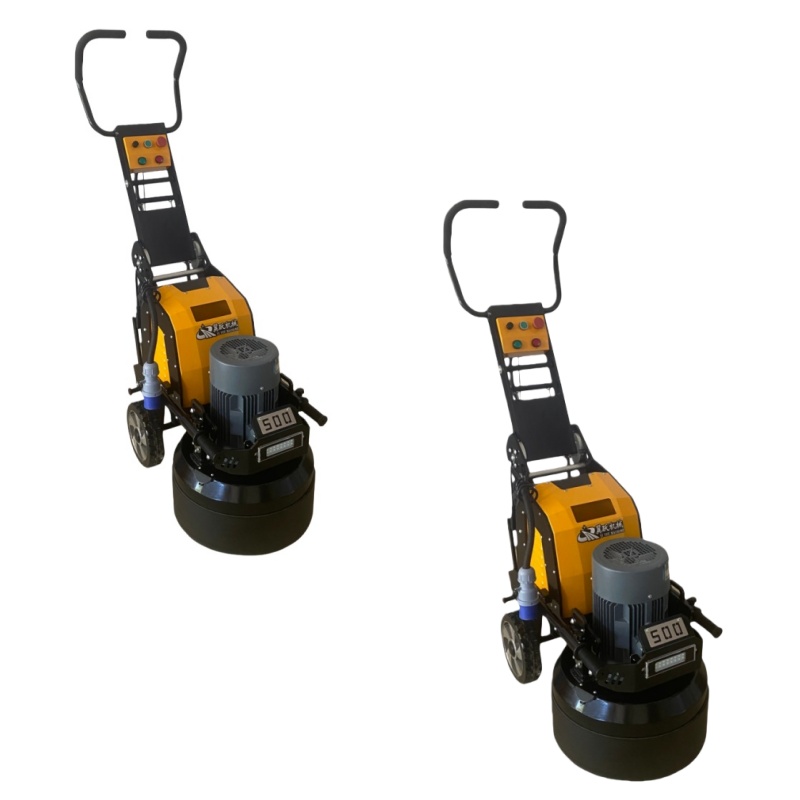
In the competitive market of floor preparation equipment, it’s common for buyers to encounter a puzzling phenomenon: two floor grinders with seemingly identical models and appearances can have drastically different price tags. At first glance, this may seem like a simple case of brand markup or profit margin, but the reality lies deep within the machine’s core components.
Today, we will dissect the two most critical factors that justify the price gap: the Schneider Electric Switch and the Permanent Magnet Synchronous Motor (PMSM). Understanding these components is not just about knowing why one machine costs more—it’s about understanding the true value of your investment in efficiency, durability, and long-term cost savings.
- The “Nervous System”: Schneider Electric Switch vs. Generic Switches
The electrical control system is the brain and nervous system of any industrial machine. A floor grinder operates in harsh, dusty, and often wet environments, putting immense stress on its electrical components. This is where the choice between a Schneider Electric switch and a generic, low-cost switch creates the first major price divide.
Why Schneider Electric is Worth the Premium:
- Unmatched Reliability & Safety: Schneider Electric components are engineered to meet global industrial standards (IEC, CE). They feature high-quality silver alloy contacts that offer a service life up to 3 times longer than standard copper contacts. In the dusty environment of concrete grinding, this means far fewer instances of switch failure, short-circuiting, or unexpected downtime.
- Precision Control: The modular design and precise engineering of Schneider components ensure smooth operation of the grinder’s functions (start/stop, forward/reverse, speed control). This precision translates to better handling and less wear on the machine’s mechanical parts.
The Cost Factor: A genuine Schneider Electric control package can add a significant cost to the BOM (Bill of Materials) compared to using unbranded or low-quality domestic switches. However, this upfront cost eliminates the risk of costly job site delays and frequent electrical repairs.
- The “Heart”: Permanent Magnet Motor (PMSM) vs. Traditional Induction Motor
If the switch is the nervous system, the motor is the heart that powers the entire grinding process. The shift from a traditional Asynchronous Induction Motor to a Permanent Magnet Synchronous Motor (PMSM) is the single biggest reason for a higher price point on a modern, high-efficiency grinder.
Why a Permanent Magnet Motor Commands a Higher Price:
- Material Cost (Rare Earth Magnets): The core of a PMSM uses high-grade rare earth permanent magnets (e.g., Neodymium), which are significantly more expensive than the copper windings used in standard motors. These magnets alone can account for 30%-40% of the motor’s total cost.
- Superior Energy Efficiency (Up to 30% Less Power): PMSMs eliminate the need for “excitation current” to create a magnetic field, as the field is generated by the permanent magnets. This results in higher efficiency (often >90%) and drastically lower power consumption compared to standard motors. Over months of operation, the electricity savings alone can offset the initial price difference.
- Compact & Lightweight: PMSMs are typically smaller and lighter for the same power output, allowing for a more ergonomic machine design and better maneuverability on the job site.
- Lower Maintenance & Longer Lifespan: Without the excitation winding losses and with a more robust structure, PMSMs run cooler, experience less wear and tear, and require less maintenance. They boast a Mean Time Between Failures (MTBF) that is exponentially higher than traditional motors.
The Cost Factor: A high-quality Permanent Magnet Motor can cost 1.5 to 2.5 times more than a standard induction motor of the same power rating. This is the primary driver of the “expensive” model.
Conclusion: Price vs. Total Cost of Ownership (TCO)
When you see two identical-looking floor grinders with a wide price gap, remember: you are not just buying a piece of metal; you are buying a system.
- The cheaper option may save you money today but will cost you dearly tomorrow in terms of frequent breakdowns, high electricity bills, and lost productivity due to downtime.
- The premium option, equipped with a Schneider Electric control system and a Permanent Magnet Motor, represents a smart investment. It offers superior performance, energy savings, and reliability that directly impact your bottom line over the machine’s lifespan.
At [Your Brand Name], we refuse to compromise on core components. We believe in equipping our grinders with industry-leading parts to ensure our customers get a machine that works as hard as they do. When you choose us, you’re choosing efficiency, durability, and peace of mind.