
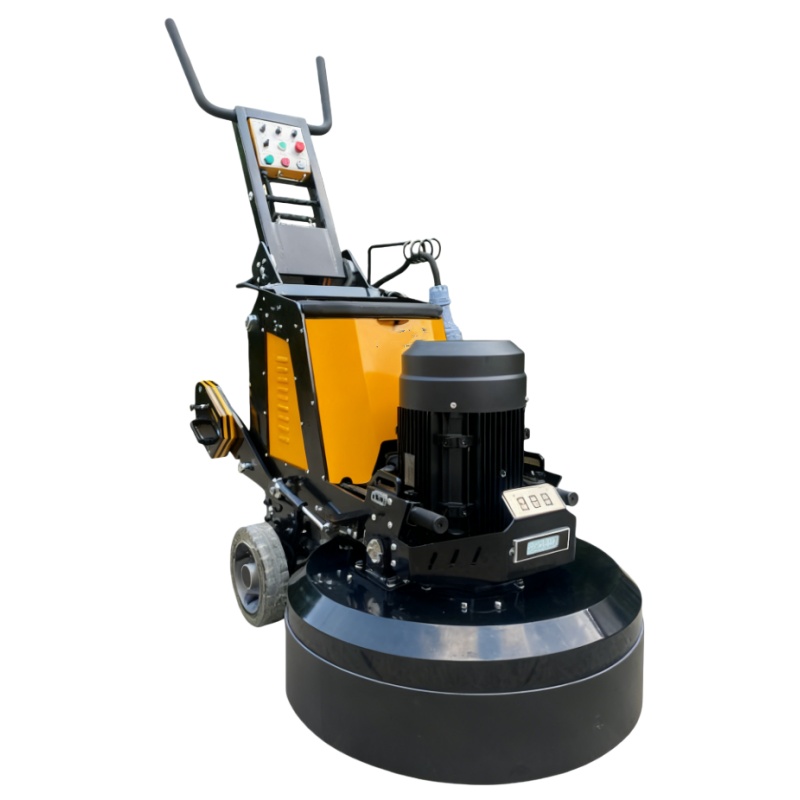
The US floor grinding machine market is steady and expanding, driven by infrastructure investment, commercial/industrial construction, renovation demand, and stricter safety & environmental rules. For contractors, rental fleets, and equipment manufacturers, understanding these shifts is key to staying competitive.
Market Size & Growth: Steady Expansion Ahead
Recent industry data shows a clear upward trajectory:
- 2024 revenue reached USD 36.3 million; projected to hit USD 45.4 million by 2030 (CAGR 3.9%).
- North America holds ~38% of the global floor grinding market, with the US as the regional leader.
- Walk-behind units dominate at ~65% unit share; ride-on models account for the remaining 35%.
- Concrete surface treatment makes up 70% of applications, followed by stone and specialty flooring.
Major demand hubs include California, Texas, and New York, fueled by logistics warehouses, retail spaces, office buildings, and industrial facilities.
Key Drivers Shaping the Market
- Infrastructure & Construction Momentum
US federal and state infrastructure spending, plus robust commercial building, keeps surface-prep demand high. Polished concrete is now standard in over half of new commercial projects for durability, low maintenance, and cost efficiency.
- OSHA Silica Rules & Dust-Free Compliance
Late 2024 OSHA updates strengthened respirable crystalline silica standards, mandating water suppression or HEPA dust collection for concrete grinding. Machines with integrated dust control are no longer optional—they are a compliance must. This rule has accelerated replacement of older, non-compliant equipment.
- Electrification & Performance Upgrades
Battery-powered (especially lithium-ion) grinders are gaining share, offering zero on-site emissions, longer runtime, and lower noise. Variable-speed heads, self-propulsion, and wider working widths boost productivity by 15–20% on job sites.
- Rental Fleet Growth
Construction rental channels are expanding at ~8–9% annually. Many contractors prefer renting high-performance grinders for short-term projects, reducing capital outlay while accessing the latest compliant models. This creates consistent replacement demand for rental fleets.
Product & Application Trends in 2026
- Walk-behind & mid-size machines: Preferred for commercial fit-outs, retail, and small industrial floors.
- Multi-head (3–4 head) units: Growing in high-output industrial and warehouse projects.
- Dust-free systems: ~25% of new installations feature integrated dust control, a key selling point.
- Residential renovation: Polished concrete and terrazzo are trending in home upgrades, opening a new consumer-adjacent segment.
Competitive Landscape
Global and US-based brands lead the market: Husqvarna, HTC, Blastrac, SASE Company, and Diamond Products. Chinese and European manufacturers are gaining traction with cost-competitive, compliant, and feature-rich machines targeting mid-tier and fleet buyers.
What’s Next for US Buyers & Sellers
- Prioritize OSHA-compliant dust control and electrified options to meet regulatory and sustainability goals.
- Focus on total cost of ownership (uptime, maintenance, parts availability) for long-term fleet value.
- Leverage rental channels to reach smaller contractors and project-based users.
Wrap-up
The US floor grinding machine market is stable, compliance-driven, and innovation-led. As construction and renovation continue, demand for efficient, safe, and eco-friendly surface-prep equipment will keep growing. For brands and distributors, aligning products with safety rules, electrification, and rental needs will unlock sustainable growth in the years ahead.
Published: March 2026 | For industry reference only. Data sourced from Grand View Research, Emergen Research, Mordor Intelligence, and OSHA updates.