
Introduction: Wrong Pad Selection Wastes All Construction Efforts – The Core Key to Floor Grinding
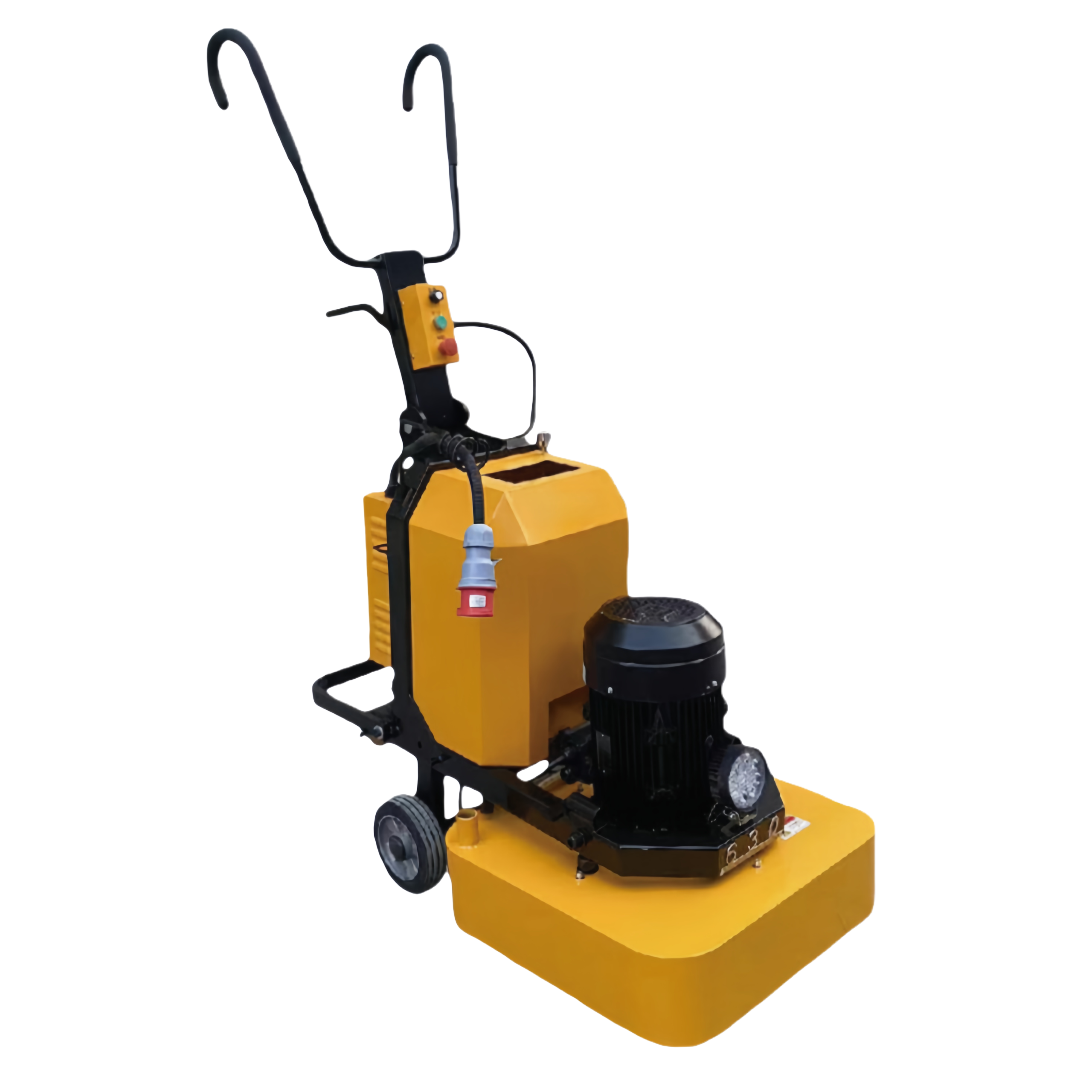
In the field of floor construction, the performance of floor grinders is directly linked to pad selection. Whether it’s high-strength concrete floors in industrial plants or marble finishes in commercial spaces, choosing the right pads can improve construction efficiency by over 40% while reducing consumable costs by 30%.
However, the market offers a wide variety of pad materials, grit sizes, and shapes – from diamond to resin-based, from 30# coarse grinding to 3000# polishing. How to accurately match requirements has become a core challenge for construction teams. This article breaks down seven core elements of pad selection, combining real cases and practical techniques to help you avoid selection mistakes and achieve dual optimization of efficiency and cost.
I. Material is King: Precise Matching of Pad Materials to Floor Hardness
Pad material directly determines grinding effectiveness and service life, with clear boundaries for different application scenarios:
- Diamond Grinding Pads: With a hardness of up to Mohs 10, these are the first choice for hard floors such as concrete and granite. Diamond dry grinding pads use high-hardness diamonds and silicon carbide abrasives, combining efficient grinding force with self-sharpening properties. Abrasive grains continuously expose new cutting edges during operation, significantly reducing replacement frequency. Suitable for high-strength concrete floors (above C30) or industrial-grade grinding projects.
- Resin-Based Pads: Relatively soft with excellent heat dissipation, ideal for medium-hardness concrete floors (C20-C25), terrazzo, and old floor renovation. Their advantage lies in not easily scratching the floor during grinding, and they can deliver a fine finish during polishing – perfect for commercial properties, office spaces, and other scenarios requiring high aesthetic standards.
- Silicon Carbide Pads: Cost-effective with balanced grinding efficiency and versatility, suitable for intermediate grinding processes of various floor materials. Especially recommended for small-to-medium projects with budget constraints, controlling costs without sacrificing quality
II. Grit Size Code: Graded Selection Logic from Coarse Grinding to Polishing
Pad grit size directly affects floor flatness and gloss; selection must follow the principle of “gradual progression, no skipping grit sizes”:
- Coarse Grit (30#-60#): Large abrasive grains with strong cutting capacity, used for floor leveling, removing old coatings or loose surface layers. Manually-troweled rough floors and damaged old floors require initial 30# metal-bond pads to quickly remove protrusions and loose sections.
- Medium Grit (100#-200#): Balances efficiency and precision, used for refinement after coarse grinding to eliminate scratches and improve flatness. Cement self-leveling floors can directly start with 100# resin pads.
- Fine Grit (400#-800#): Fine abrasive grains for precision grinding, significantly enhancing smoothness and preparing for polishing. For industrial floors requiring a “matte finish”, 800# fine pads can serve as the final grinding step.
- Polishing Grit (1000#-3000#): Specially manufactured (e.g., sponge polishing pads) to create mirror-like gloss. Commercial spaces and exhibition halls require sequential use of 1500# and 3000# polishing pads after fine grinding.
III. Scenario Adaptation: Three Core Dimensions Determining Selection Direction
1. Floor Condition & Construction Objectives
- High-hardness floors (above C30, diamond aggregate floors): Select diamond pads or specialized “hard floor specialist” pads for high-intensity grinding.
- Uneven/damaged floors: Prioritize metal-bond coarse pads with heavy-duty grinders for rapid leveling.
- Polishing requirements: Use “resin pads + sponge polishing pads” combination; wet grinding delivers uniform finish, dry grinding saves consumables.
2. Equipment Compatibility & Process Parameters
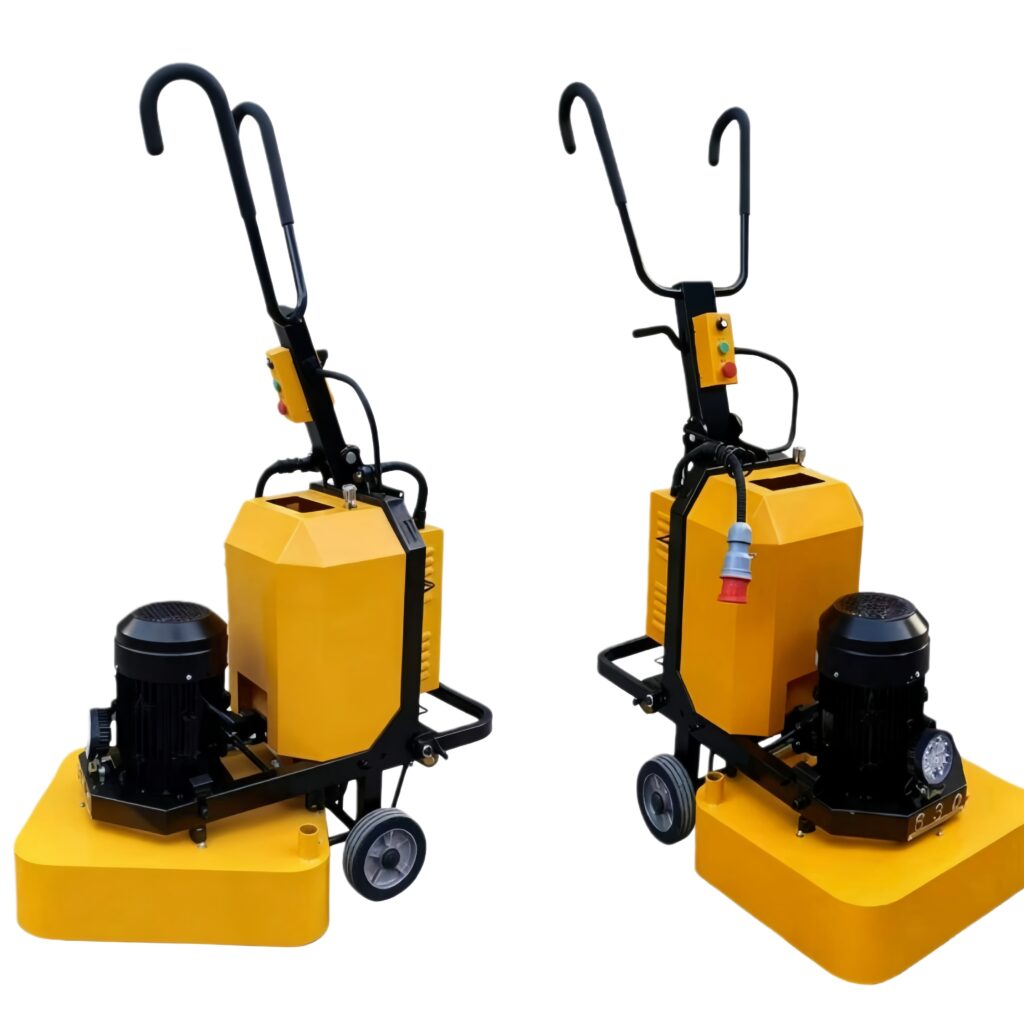
Different grinders require specific pad shapes and mounting methods. Follow manufacturer specifications to avoid damage or uneven grinding. Equipment weight and speed also affect selection:
- Heavy-duty grinders: Use hard pads for better leveling under high pressure.
- Portable machines: Use soft pads for flexibility and superior polishing.
Optimal line speed: 125mm pads at 12,000-14,400 RPM (50-60 m/s) to prevent premature wear.
3. Cost & Performance Balance
Imported pads offer stable performance but higher costs; domestic brands provide cost-effective alternatives with ISO 9001 certification.
- High-frequency projects: Invest in durable premium pads to reduce downtime.
- Short-term small projects: Use economy pads to control initial investment.
IV. Practical Tips: Four Key Techniques to Improve Construction Results
- Pre-construction Hardness Test: Test floor hardness before pad selection to avoid mismatched grinding efficiency.
- No Grit Size Skipping: Skipping intermediate grits causes permanent scratches and increases polishing difficulty.
- Cooling & Chip Removal: Dry grinding requires strong dust extraction; wet grinding needs optimal coolant flow.
- Abnormality Handling: Reduce speed on unusual noises; stop immediately for pad replacement if vibration occurs.
V. Case Validation: Performance Improvement Through Optimal Selection
Professional case studies demonstrate that precise pad selection and process adaptation achieve triple optimization of efficiency, precision, and cost.
Conclusion: Scientific Selection is Core Competitiveness in Floor Grinding
Pad selection is systematic decision-making based on material, grit size, scenario, and equipment – not just experience. Mastering core selection logic ensures high-quality floor construction across all scenarios.
“””
Save to file
with open(‘/mnt/Floor_Grinder_Pad_Selection_Guide_EN.md’, ‘w’, encoding=’utf-8′) as f:
f.write(english_blog)
print(“English version of floor grinder pad selection blog has been generated and saved successfully!”)
print(“File path: /mnt/Floor_Grinder_Pad_Selection_Guide_EN.md”)
The Ultimate Guide to Floor Grinder Pad Selection: A Comprehensive Decision-Making Manual from Material to Application
Introduction: Wrong Pad Selection Wastes All Construction Efforts – The Core Key to Floor Grinding
In the field of floor construction, the performance of floor grinders is directly linked to pad selection. Whether it’s high-strength concrete floors in industrial plants or marble finishes in commercial spaces, choosing the right pads can improve construction efficiency by over 40% while reducing consumable costs by 30%.
However, the market offers a wide variety of pad materials, grit sizes, and shapes – from diamond to resin-based, from 30# coarse grinding to 3000# polishing. How to accurately match requirements has become a core challenge for construction teams. This article breaks down seven core elements of pad selection, combining real cases and practical techniques to help you avoid selection mistakes and achieve dual optimization of efficiency and cost.
I. Material is King: Precise Matching of Pad Materials to Floor Hardness
Pad material directly determines grinding effectiveness and service life, with clear boundaries for different application scenarios:
- Diamond Grinding Pads: With a hardness of up to Mohs 10, these are the first choice for hard floors such as concrete and granite. Diamond dry grinding pads use high-hardness diamonds and silicon carbide abrasives, combining efficient grinding force with self-sharpening properties. Abrasive grains continuously expose new cutting edges during operation, significantly reducing replacement frequency. Suitable for high-strength concrete floors (above C30) or industrial-grade grinding projects.
- Resin-Based Pads: Relatively soft with excellent heat dissipation, ideal for medium-hardness concrete floors (C20-C25), terrazzo, and old floor renovation. Their advantage lies in not easily scratching the floor during grinding, and they can deliver a fine finish during polishing – perfect for commercial properties, office spaces, and other scenarios requiring high aesthetic standards.
- Silicon Carbide Pads: Cost-effective with balanced grinding efficiency and versatility, suitable for intermediate grinding processes of various floor materials. Especially recommended for small-to-medium projects with budget constraints, controlling costs without sacrificing quality.
II. Grit Size Code: Graded Selection Logic from Coarse Grinding to Polishing
Pad grit size directly affects floor flatness and gloss; selection must follow the principle of “gradual progression, no skipping grit sizes”:
- Coarse Grit (30#-60#): Large abrasive grains with strong cutting capacity, used for floor leveling, removing old coatings or loose surface layers. Manually-troweled rough floors and damaged old floors require initial 30# metal-bond pads to quickly remove protrusions and loose sections.
- Medium Grit (100#-200#): Balances efficiency and precision, used for refinement after coarse grinding to eliminate scratches and improve flatness. Cement self-leveling floors can directly start with 100# resin pads.
- Fine Grit (400#-800#): Fine abrasive grains for precision grinding, significantly enhancing smoothness and preparing for polishing. For industrial floors requiring a “matte finish”, 800# fine pads can serve as the final grinding step.
- Polishing Grit (1000#-3000#): Specially manufactured (e.g., sponge polishing pads) to create mirror-like gloss. Commercial spaces and exhibition halls require sequential use of 1500# and 3000# polishing pads after fine grinding.
III. Scenario Adaptation: Three Core Dimensions Determining Selection Direction
- Floor Condition & Construction Objectives
- High-hardness floors (above C30, diamond aggregate floors): Select diamond pads or specialized “hard floor specialist” pads for high-intensity grinding.
- Uneven/damaged floors: Prioritize metal-bond coarse pads with heavy-duty grinders for rapid leveling.
- Polishing requirements: Use “resin pads + sponge polishing pads” combination; wet grinding delivers uniform finish, dry grinding saves consumables.
- Equipment Compatibility & Process Parameters
Different grinders require specific pad shapes and mounting methods. Follow manufacturer specifications to avoid damage or uneven grinding. Equipment weight and speed also affect selection:
- Heavy-duty grinders: Use hard pads for better leveling under high pressure.
- Portable machines: Use soft pads for flexibility and superior polishing.
Optimal line speed: 125mm pads at 12,000-14,400 RPM (50-60 m/s) to prevent premature wear.
- Cost & Performance Balance
Imported pads offer stable performance but higher costs; domestic brands provide cost-effective alternatives with ISO 9001 certification.
- High-frequency projects: Invest in durable premium pads to reduce downtime.
- Short-term small projects: Use economy pads to control initial investment.
IV. Practical Tips: Four Key Techniques to Improve Construction Results
- Pre-construction Hardness Test: Test floor hardness before pad selection to avoid mismatched grinding efficiency.
- No Grit Size Skipping: Skipping intermediate grits causes permanent scratches and increases polishing difficulty.
- Cooling & Chip Removal: Dry grinding requires strong dust extraction; wet grinding needs optimal coolant flow.
- Abnormality Handling: Reduce speed on unusual noises; stop immediately for pad replacement if vibration occurs.
V. Case Validation: Performance Improvement Through Optimal Selection
Professional case studies demonstrate that precise pad selection and process adaptation achieve triple optimization of efficiency, precision, and cost.
Conclusion: Scientific Selection is Core Competitiveness in Floor Grinding